BIMANUAL ROBOT LEARNING

Dexterous
manipulation

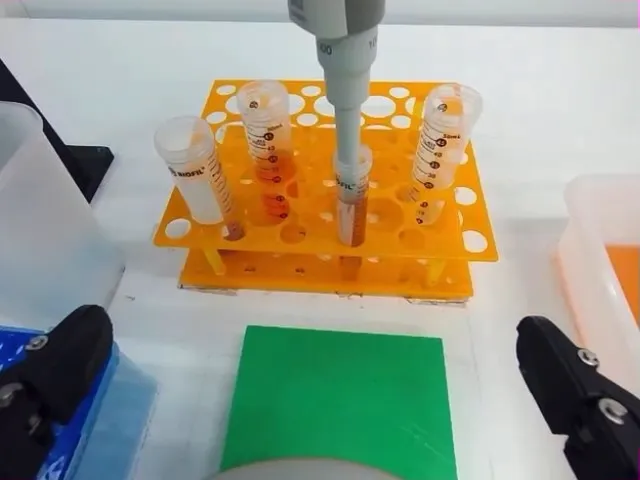
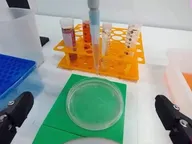
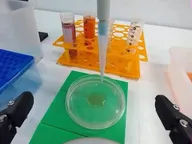
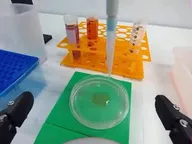
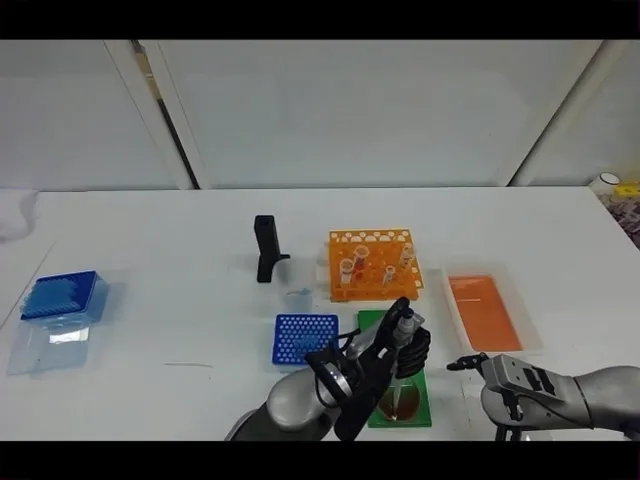
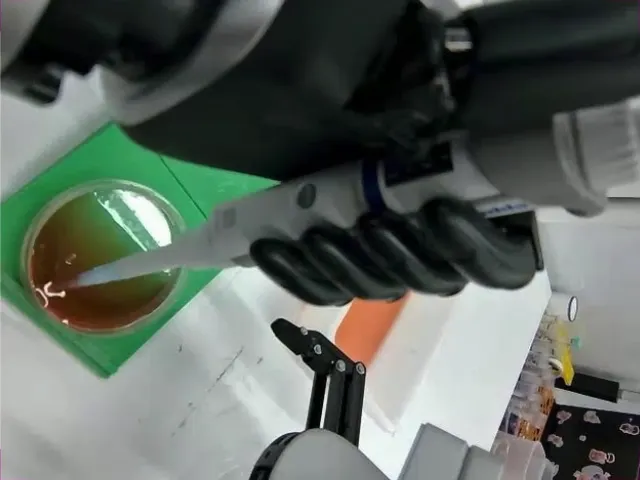
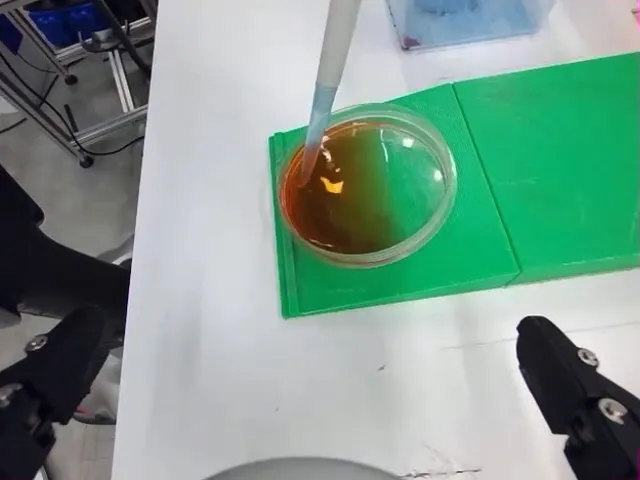
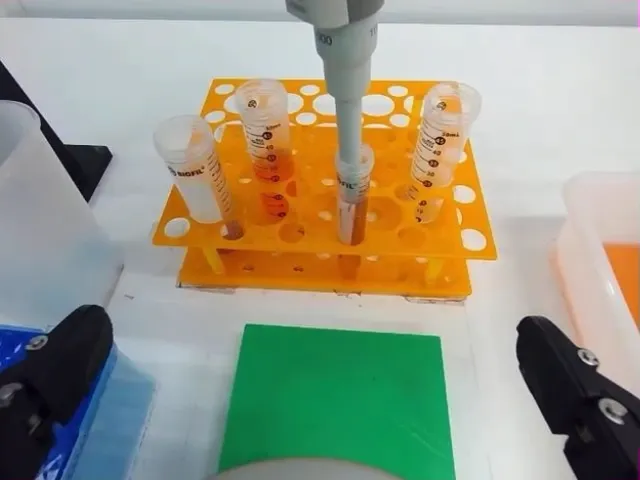
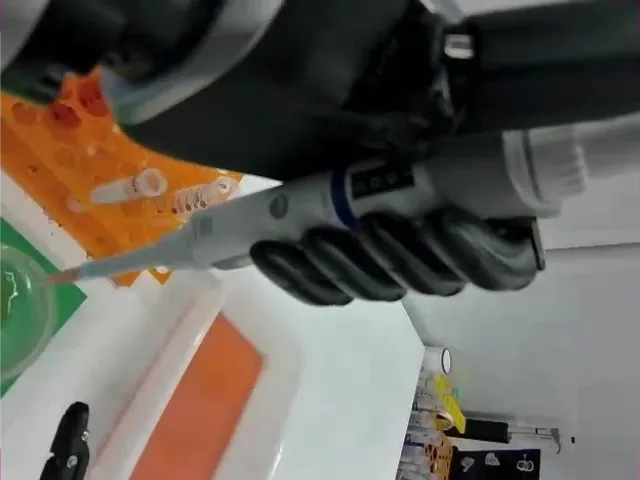
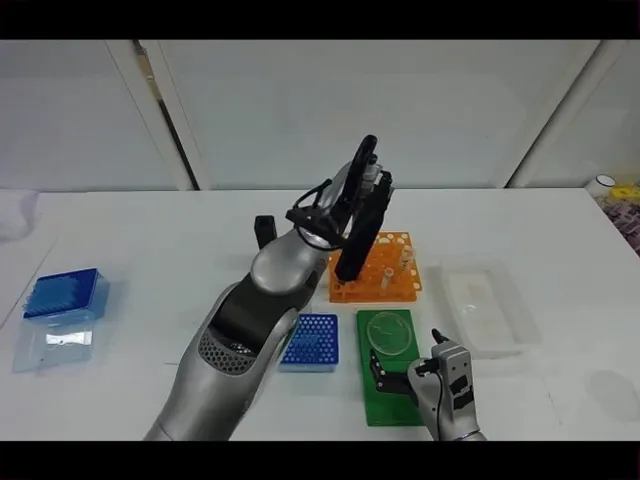
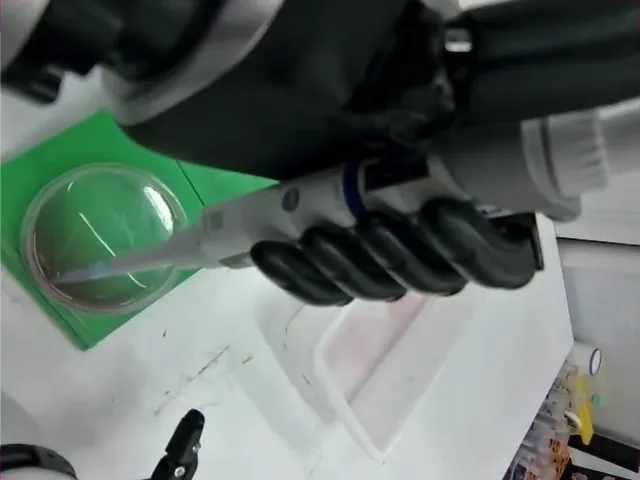
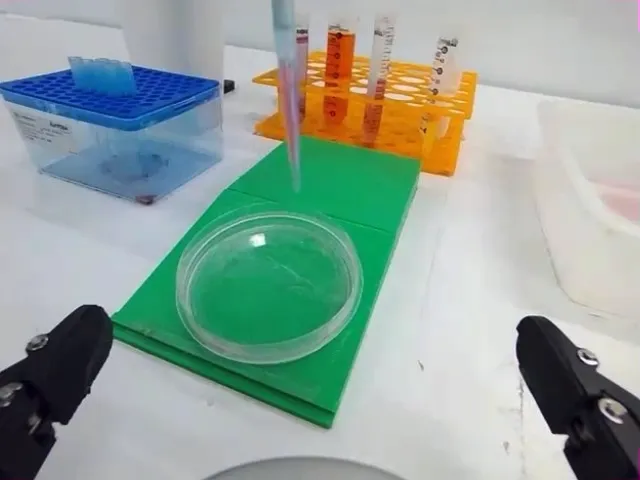
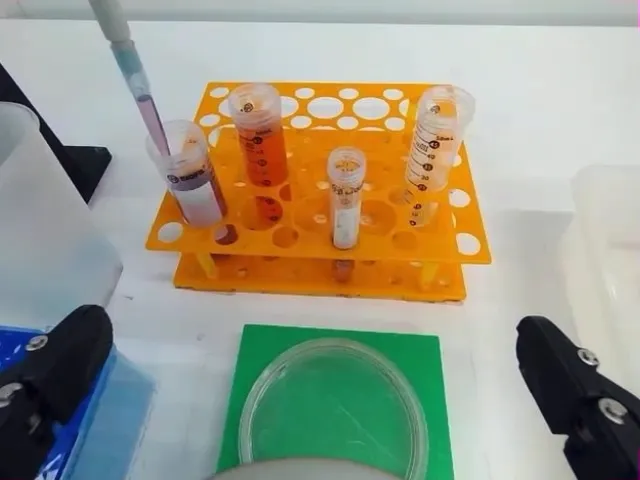
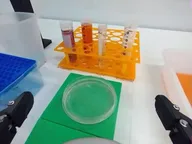
We train a bimanual robot to align tools, coordinate both arms and execute precise actions from three camera views and natural-language instructions. We evaluate these skills on pipetting and mixing steps from cell-culture experiments, one action at a time.

Explore the trials
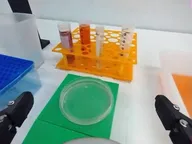
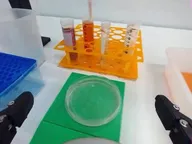
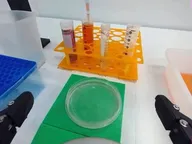
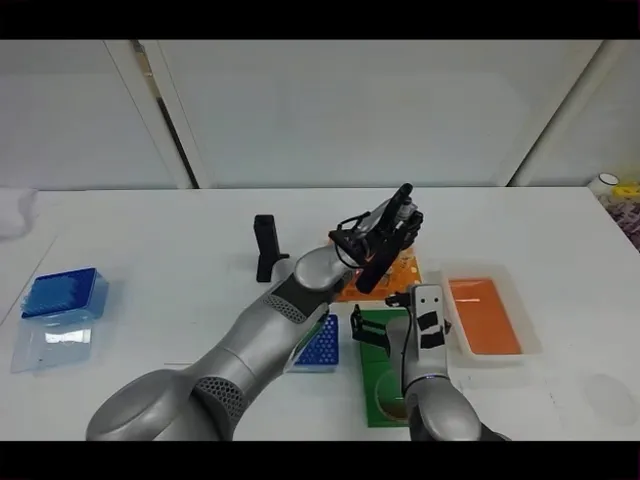
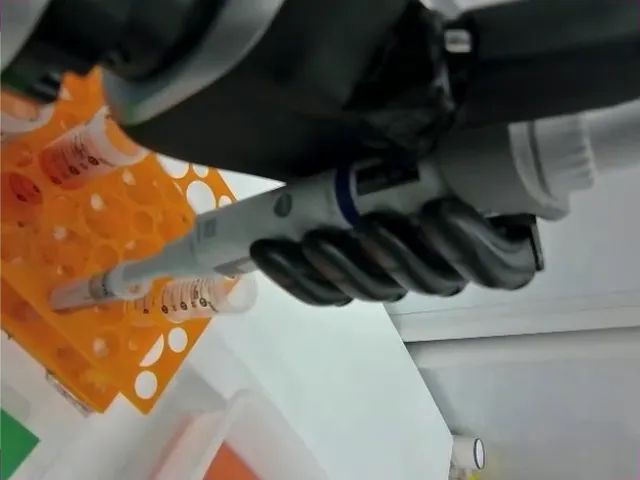
Dual arms and the bench from the head camera Left hand holding a pipette over a tilted dish Close-up of the tip inside the tilted dish Pipette aligned inside a small tube Wrist view of the fingers and pipette Dual-arm movement over a tube rack Pipette approaching the liquid in a dish Dish and target tube seen from the wrist Tip aligned with a tube opening
Robot camera footageHead and wrist views
Demonstrations
3,507
Data duration
2,500 min
Successful / recorded
51/55
Success in this batch
92.7%

Models

World Action Model

Visual historyPast actions · task context
WAMPredict
Next framePredicted observation
ActionsBimanual coordination
Left armRight arm
After execution, refresh the history with camera observations.
Vision Language Action Model

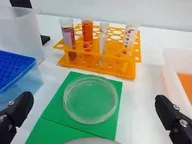
Three camera views“Mix in the tube”
VLAPredict
ActionsBimanual coordination
Left armRight arm
After execution, use fresh images for the next prediction.

Engineering insights

Screen out long pauses

Measure the range of motion in each joint and hand channel over a sliding window. One round of dataset preparation excluded demonstrations with more than two seconds of sustained inactivity. When trimming frames within a usable demonstration, preserve meaningful holds, such as a pause during a press.

Illustrative frame trimming
Motion and context Long pause 12 illustrative frames

Slice and balance skills

Split demonstrations into complete single actions. Keep 2–6 frames of context on each side within verified boundaries, and balance first, middle and final repetitions 1:1:1. Split training and validation by the original demonstration so neighboring clips stay together.

Anatomy of a clip
Before · 2–6
Action core
After · 2–6
First1 Middle1 Final1

Smooth with minimum jerk

Penalize the third finite difference of the predicted end-effector path, a discrete measure of how quickly acceleration changes. Anchor the measured start and planned endpoint, limit deviations at intermediate points, and preserve the finger and gripper commands.

Bounded minimum-jerk trajectory
Raw prediction Smoothed 76%

Predict ahead to reduce waiting

While the current chunk runs, the future dynamics module (FDM) uses those actions to forecast visual features beyond the latest observation. The policy uses that forecast to prepare the next chunk ahead of the handoff. Measured frames correct the history used by subsequent predictions.

Illustrative action handoff
Current action
FDM forecast
Next prediction
Camera feedback
Next action
StartTime

Connect end-effector and joint control

An EE output specifies a target tool pose. A joint output specifies target joint angles. Inverse kinematics (IK) converts a tool pose to joint angles, and forward kinematics (FK) converts joint angles back to a tool pose. With a consistent coordinate frame and IK branch, both can represent the same trajectory.

One trajectory, two representations
EE position
IK →
Joint angles

Trial footage